
Cloud, Integration, AI,
When Cloud Outages Become Clinical Events: Why Healthcare Needs Simpler, Smarter Architecture
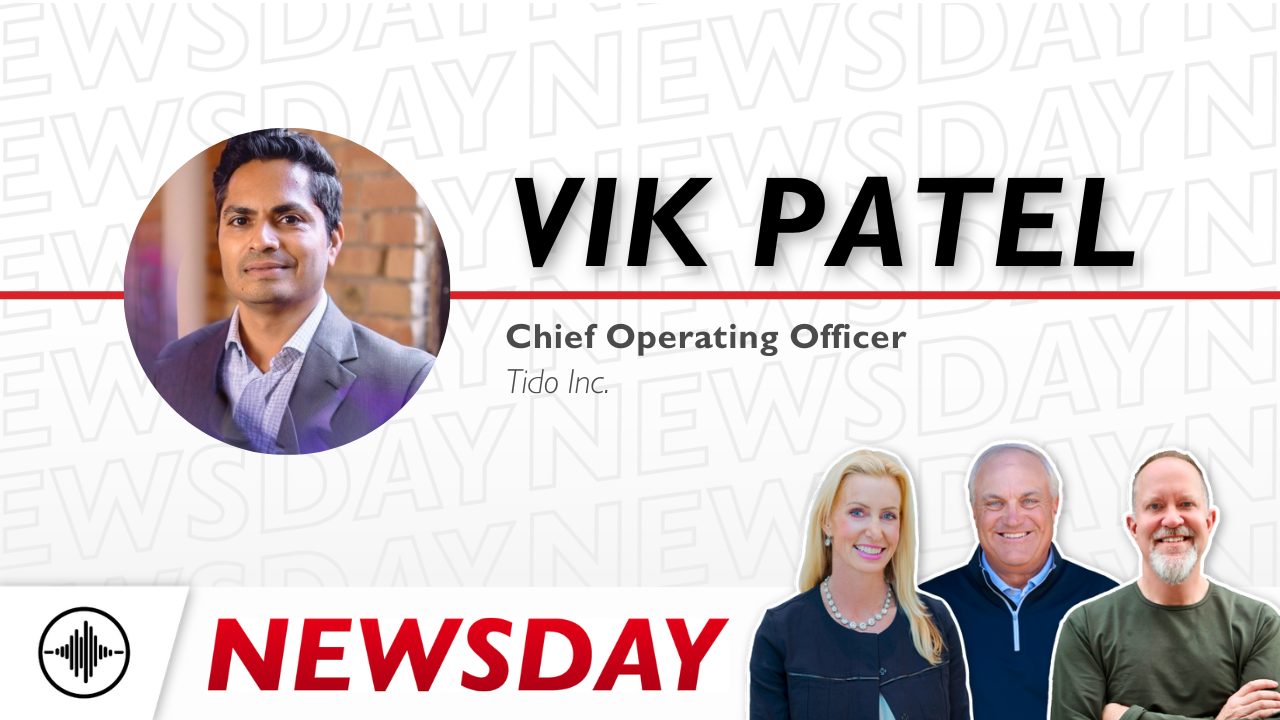
Last week, Tido Inc.'s COO Vik Patel joined Sarah Richardson, Drex DeFord, and Bill Russell on This Week Health Newsday. What started as a conversation about a single cloud outage quickly turned into a deeper discussion about architecture, resilience, and the future of healthcare data.
And it couldn’t be more timely.
When AWS experienced a major outage that rippled across 500+ companies, it wasn’t just a technology disruption—
it was a reminder that cloud architecture is a strategic business decision, not just an IT one. Healthcare organizations felt the impact across clinical workflows, EHR access, analytics pipelines, patient communication, and operational continuity.
The outage highlighted something we see every day at Tido:
architecture is the hidden force multiplier behind every part of the health system.
Cascading Failures: What the Outage Exposed
During the episode, we unpacked how a single point of failure can cascade across an entire ecosystem:
- Epic instances hosted on public cloud
- Legacy integration patterns that assume everything is always available
- AI data lakes dependent on continuous streaming
- Downtime plans built around infrastructure, not workflows
- Third-party apps reliant on the same cloud zones
It became clear that simplicity — not more tech — might be healthcare’s most undervalued strategy.
Why Architecture Matters More Than Ever
Behind every clinical, financial, or patient-experience outcome, architecture plays a decisive role.
The right architecture accelerates:
1. Infrastructure Stability
Health systems need predictable, resilient foundations. Over-engineered cloud designs often add fragility without adding value.
2. Speed of Deploying New Applications
A clean, well-structured platform means new apps, APIs, and data pipelines deploy in hours—not months.
3. Disaster Recovery Readiness
Multi-cloud and cross-region backups aren’t nice-to-have; they’re the new baseline for patient safety.
4. Patient Care Quality
Downtime today is not just a technical risk—it becomes a clinical event when staffing, care coordination, or access to records is disrupted.
5. Revenue Protection
Outages delay documentation, claims, scheduling, and reporting. Architecture either protects or jeopardizes the bottom line.
De-Identification and AI: Reducing Risk While Unlocking Value
We also talked about the emerging role of AI data lakes and why de-identifying data is one of the smartest steps a health system can take:
- Reduces risk exposure
- Enables safer cross-platform data sharing
- Supports AI development without PHI barriers
- Simplifies architecture and compliance
This is where Tido’s work with CortexAI, MigrateIQ, and Archive comes into play—helping organizations modernize their data infrastructure without increasing organizational risk.
Do We Have the Skills to Architect the Future?
One of the big questions we raised:
Do healthcare organizations have the internal skills to design resilient, future-proof cloud architectures?
Many systems are now juggling:
- Multi-cloud strategies
- Hybrid data ecosystems
- AI/ML pipelines
- Real-time interoperability
- Legacy apps that were never built for cloud
- Regulatory requirements that keep expanding
The organizations that succeed will be the ones that simplify, standardize, and partner wisely.
Final Thought: Simplicity is a Strategy
Sometimes the biggest competitive advantage isn’t more technology.
It’s intentional architecture—the kind that reduces complexity, eliminates dependency chains, and creates a stable foundation for AI, analytics, and clinical excellence.
At Tido, we’re grateful to be part of this conversation and to help health systems navigate cloud transformation, integration modernization, and AI readiness with clarity and confidence.